


Urban Food Forest & Community Nutrition Program
Faculty of Sports Science , Kamphaeng Saen Campus
Details
The urban food forest was designed as a hands-on learning landscape that blends sustainable agriculture, nutrition, and green public space. Eighteen acres of former lawn were restructured into layered canopies—trees, fruit species, shrubs, roots, and groundcovers—so root systems and soil biology function synergistically, reducing water loss, suppressing weeds, and storing carbon. Walkways and learning corners provide community access, with signage on nutritional values of local crops, household processing, and food-waste reduction practices.
An alliance across the Faculties of Agriculture and Social Sciences and the demonstration school hosted seasonal harvests, community cooking of balanced-protein traditional dishes, composting sessions, and seed-saving for agrobiodiversity. The team tracked yield by species, soil moisture, and microbial activity to assess systemic effects, and monitored participating households’ food security index over time.
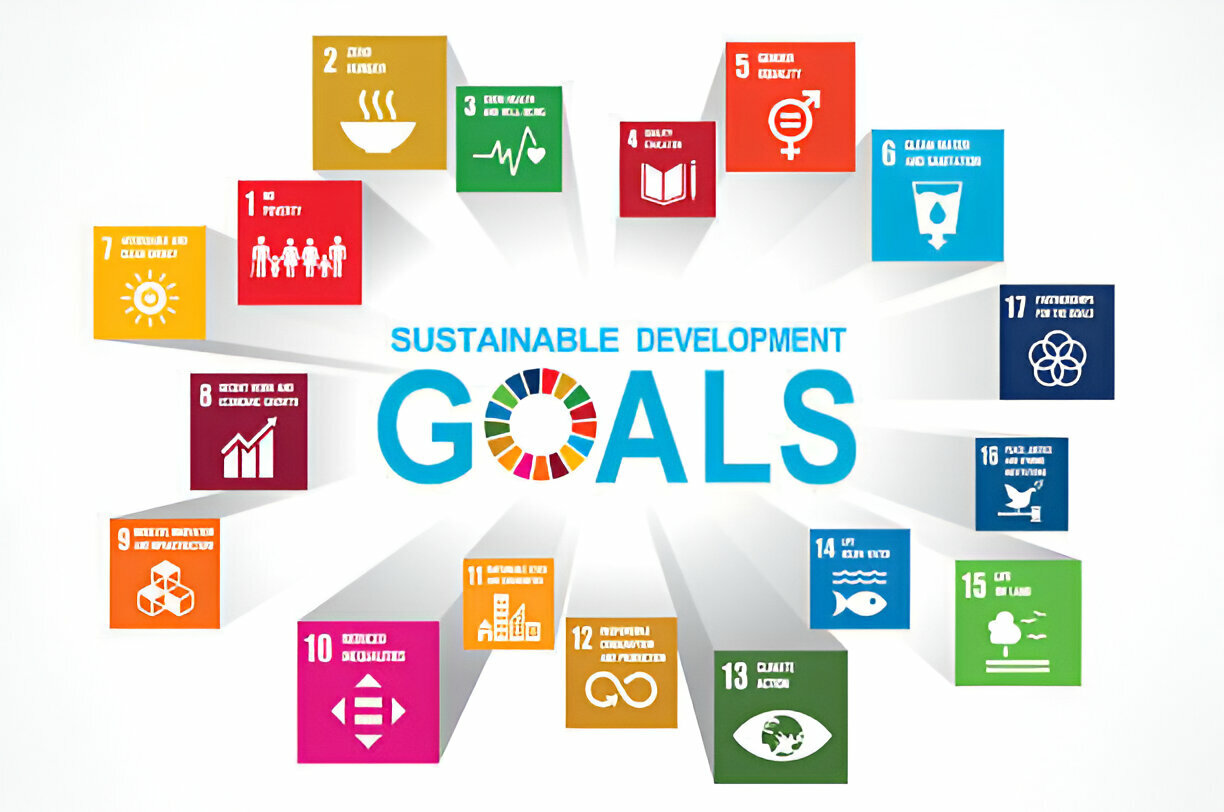
After one year, 260 nearby households received an average of 3.2 kg of fresh produce weekly, household food expenses declined by 17%, and workshop-related food waste fell by 45% through sorting and composting. Outcomes align with SDG 2, SDG 11, and SDG 12, and fulfill 2023 indicators 34 and 96.
Project Evidence & Documentation
Field activity: Urban Food Forest & Community Nutrition Program













ลิงก์ที่เกี่ยวข้อง
- Project page: Urban Food Forest & Community Nutrition Program
- Summary article: Urban Food Forest & Community Nutrition Program
Activity Videos
- Presentation video: Urban Food Forest & Community Nutrition Program
- Short documentary: Urban Food Forest & Community Nutrition Program
Other Evidence Document Files
- Project Type: Project
- Year of Data (A.D.): 2026
- Start Date: 05/02/2026
- End Date: 30/11/2026
- Participants: 480
- Budget (THB): 270,000.00 THB
- จำนวนผู้เข้าชม: 95
 No Poverty
1.1.1 - Papers co-authored with low or lower-middle income countries
 Reduced Inequalities
10.4.1 - Proportion of students and staff with disabilities
