


Climate-Resilient Smart Orchard with Sensor Fusion & Solar Microgrid
Faculty of Agro-Industry , Bang Khen Campus
Details
This project built a climate-resilient demonstration orchard by fusing multi-source data—soil moisture, canopy temperature profiles, irradiance, wind, soil EC, and drone multispectral imagery—to derive plot-level plant stress indices. An AI engine forecasted heat/water-stress windows and orchestrated pulse irrigation and adaptive shading in real time, while logging crop responses to tune varietal models for durian, mango, and pomelo.
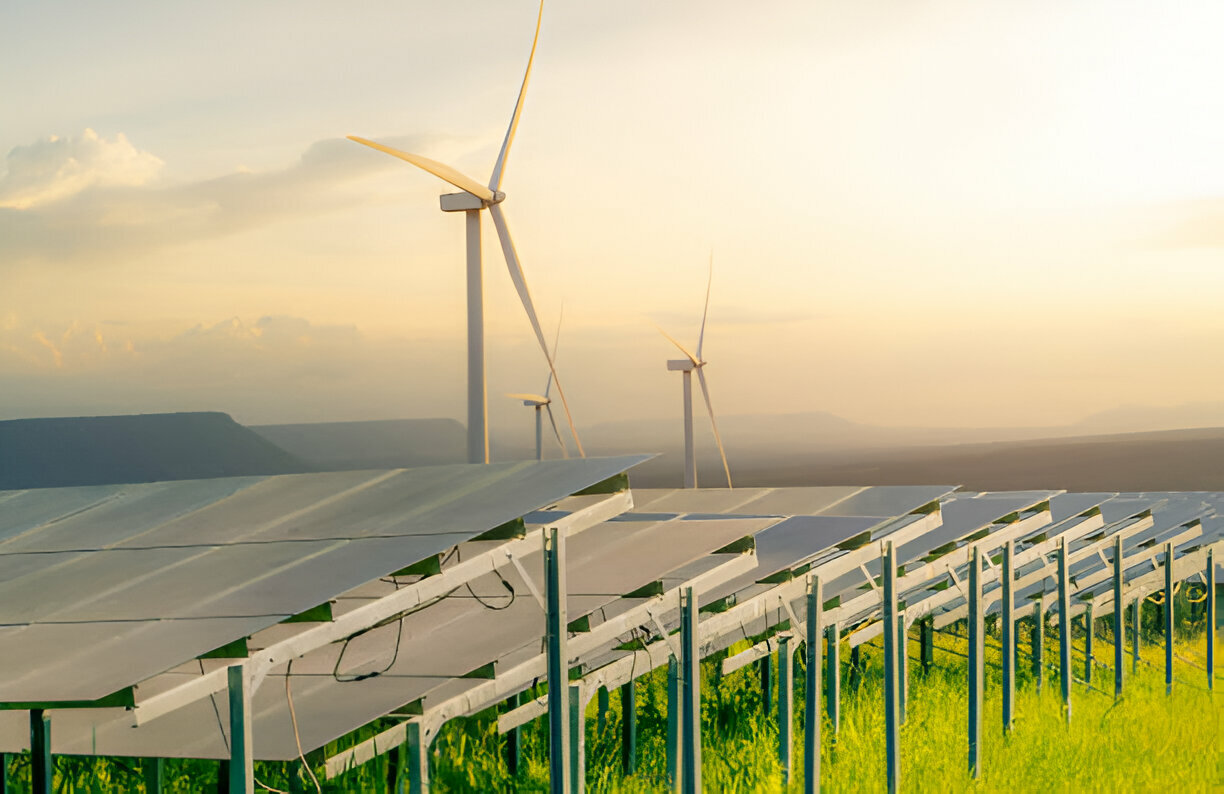
On the energy side, a 420 kWp solar microgrid with 0.9 MWh batteries powered high-pressure pumps, controls, and postharvest pre-cooling. Automated dispatch charged during solar peaks and discharged for irrigation and cooling loads, cutting main-grid draw. Energy data fed a live carbon dashboard informing the switch from diesel implements to electric drives for spraying and in-field logistics.
After year one, export-grade yield rose 24%, postharvest loss fell 31%, water per kg produce dropped 46%, and grid electricity purchases declined 52% versus a 2023 baseline. Net GHG abatement reached ~1,420 tCO2e/year via renewables, precision irrigation, and electrification, advancing SDG 2, SDG 7, SDG 13 and fulfilling 2025 indicators 96, 210, and 111.
Project Evidence & Documentation
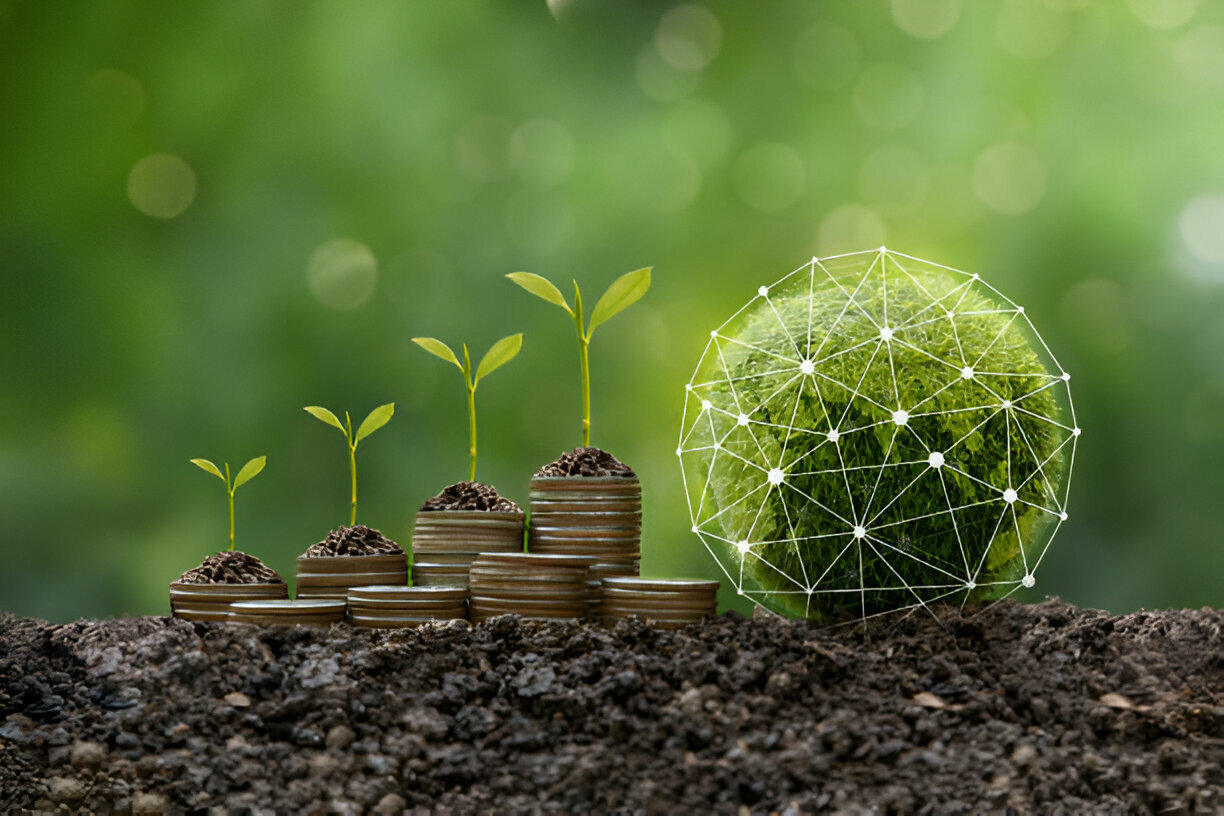
Field activity: Climate-Resilient Smart Orchard with Sensor Fusion & Solar Microgrid









ลิงก์ที่เกี่ยวข้อง
- Project page: Climate-Resilient Smart Orchard with Sensor Fusion & Solar Microgrid
- Summary article: Climate-Resilient Smart Orchard with Sensor Fusion & Solar Microgrid
Activity Videos
- Presentation video: Climate-Resilient Smart Orchard with Sensor Fusion & Solar Microgrid
- Short documentary: Climate-Resilient Smart Orchard with Sensor Fusion & Solar Microgrid
Other Evidence Document Files
- Project Type: Research
- Year of Data (A.D.): 2025
- Start Date: 30/01/2025
- End Date: 12/12/2025
- Participants: 560
- Budget (THB): 680,000.00 THB
- จำนวนผู้เข้าชม: 75
 Zero Hunger
2.1.1 - Zero Hunger: CiteScore
 Industry, Innovation and Infrastructure
9.3.1 - Patents
 Reduced Inequalities
10.2.1 - Proportion of first-generation students
